
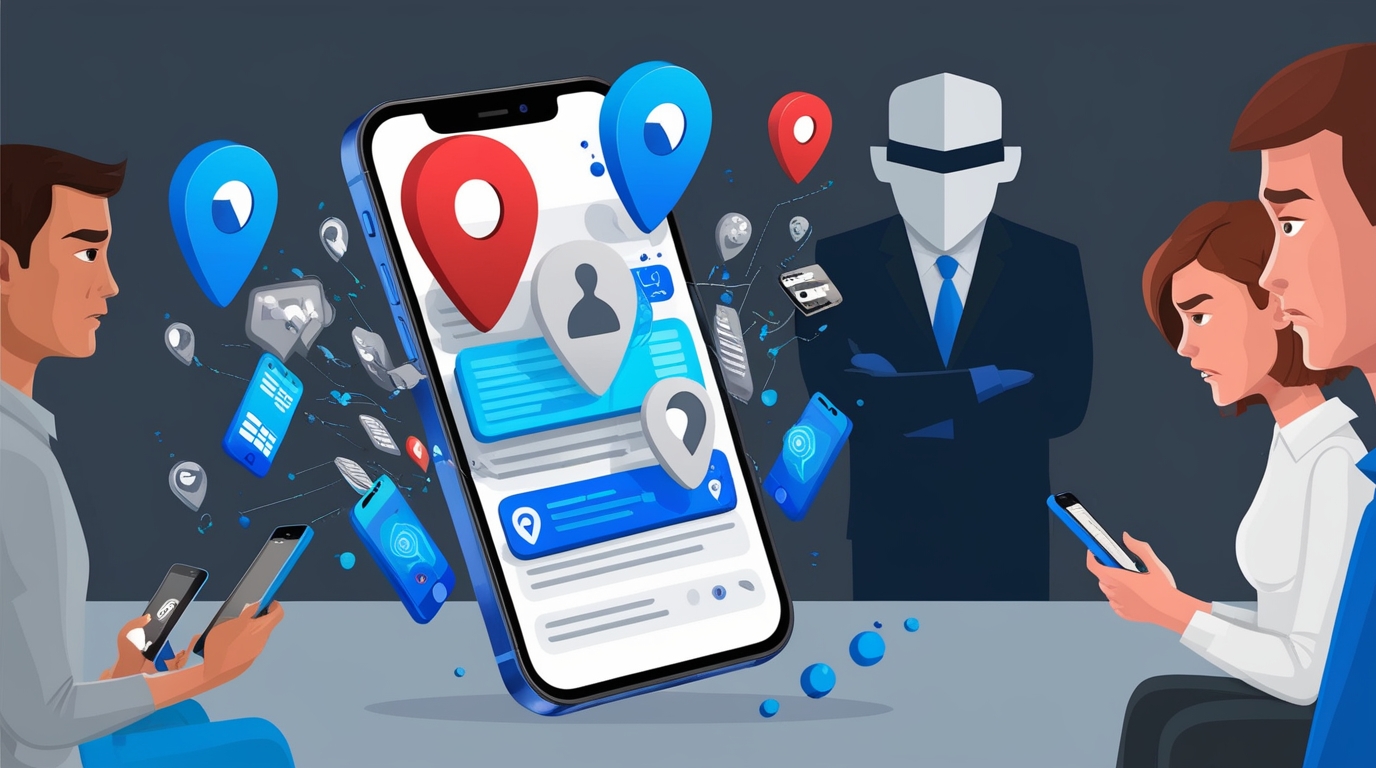
In the digital age, our personal information is one of the most valuable assets we carry often more valuable than the devices themselves. From our search history and app usage to our location patterns and communications habits, this data can reveal who we are, what we do, and where we’re going.
Now imagine a telecommunications giant collecting deeply personal data from millions of customers, and users discovering only after the fact what was happening.
This is the heart of the Verizon customer data lawsuit one of the most consequential privacy class-action cases in the U.S. in years.
Rather than a minor technical dispute, the lawsuit raises fundamental questions about customer consent, data ownership, privacy law enforcement, and corporate accountability. If you’ve ever been a Verizon customer mobile or broadband this guide explains what happened, what Verizon is accused of, what courts and regulators have done, and what it means for millions of Americans today.
This article is a comprehensive breakdown of:
- the accusations against Verizon
- how the data practices worked
- the lawsuit timeline and legal context
- implications for your privacy
- outcomes for affected users
- and how to protect yourself moving forward
🧠 Why Verizon Is Under Fire for Customer Data Practices
Verizon’s core business is telecommunications connecting people via voice, text and internet. But like other carriers, it also collects data about how customers use its networks. What became controversial is how far that data collection extended, how transparent Verizon was, and whether users gave meaningful consent.
At the center of the debate are Verizon’s programs called Custom Experience and Custom Experience Plus, which replaced an earlier tracking initiative. Recent reporting and legal filings have revealed that:
✔️ Customers were automatically enrolled in at least one level of tracking without clear affirmative consent. ✔️ The programs collected browsing URLs, app usage patterns, device identifiers, and in some versions, location data. ✔️ Users were not clearly told how long data was stored, how it was used, or who could access it. ✔️ Many customers say they didn’t remember ever agreeing to these programs.
Privacy experts argue that just burying data collection practices in lengthy terms of service does not satisfy legal standards for clear and informed consent.
🧾 What Verizon’s Custom Experience Programs Did Explained
📍 Custom Experience
This is the basic tier of data collection to improve “user experience.”
- Tracks websites visited by users
- Logs apps used on the device
- Collects basic device and service usage
- Does not share data with external advertisers
📍 Custom Experience Plus
This deeper program reportedly:
- Tracks browsing history in more detail
- Gathers location data and usage patterns
- Stores call logs and service interaction metadata
- May share insights with internal marketing systems
🚨 Opt-In vs. Opt-Out
One of the core legal complaints is that Verizon automatically enrolled customers unless they opted out, instead of seeking clear permission before collecting sensitive information.
Many users found the opt-out settings buried deep in the My Verizon app, with confusing labels and unclear descriptions a feature critics say was by design.
🧑⚖️ What the Lawsuit Alleges The Core Accusations
The lawsuit filed as a class action makes several major claims against Verizon:
✅ Unauthorized Data Collection
Consumers allege Verizon collected data on browsing, apps, locations and device activity without obtaining meaningful consent.
✅ Deceptive Privacy Policies
Plaintiffs say Verizon misled users about its data practices, claiming data would be aggregated and anonymous when in fact it could be tied to individuals.
✅ Failure to Provide a Real Choice
Critics argue that burying data-sharing clauses in lengthy terms of service and requiring manual opt-outs is not a “meaningful choice.”
✅ Violation of Consumer Protection and Telecom Privacy Laws
Laws mentioned in various filings and regulatory actions include:
- Federal Communications Commission (FCC) rules under the Communications Act (CPNI protections)
- State consumer protection statutes requiring clear disclosure and consent
🗓️ Timeline of the Verizon Lawsuit and Related Actions
| Date | Event |
|---|---|
| Late 2023 | Early customer complaints about tracking start to circulate |
| January 2024 | Consumer class action formally filed |
| 2024–2025 | FCC actions and regulatory scrutiny intensify |
| 2025 | Appeals court upholds a $46.9M fine for selling location data without consent |
| 2026 | Ongoing litigation, additional privacy cases emerge |
In 2025 the U.S. Court of Appeals upheld FCC findings that Verizon mishandled customer location data and affirmed the fine rejecting Verizon’s claim that such data was not protected under law.
❓ Is Verizon Accused of Selling Data?
Confusion about this point is common.
- Verizon maintains it does not sell customer data to third-party advertisers directly.
- Regulators found that location information was shared with third-party aggregators without proper consent, which effectively counts as unauthorized sharing.
So while Verizon’s wording was that it wasn’t selling data “in the traditional sense,” the legal and regulatory interpretation was that making access available to aggregators was a privacy violation.
🧩 Does This Involve Biometric Data?
In parallel litigation, Verizon faces a class action claiming that its Voice ID voiceprint system collected and stored biometric identifiers without proper consent and disclosures, potentially violating state biometric privacy laws like Illinois BIPA.
📊 Who Is Affected — Am I Eligible to Join the Lawsuit?
If you are or were a Verizon Wireless or Fios customer and had a Verizon account active during the period in question, you may be eligible to join the class action.
- Eligibility depends on the type of account and timeframe.
- Email or mail notices are often sent to customers identified in the affected classes.
- Attorneys handling cases usually provide online portals to check eligibility.
🛑 How to See If You Were Tracked
Check and adjust your Verizon privacy settings:
- Open My Verizon App
- Tap Account → Privacy Settings
- Look for Custom Experience / Custom Experience Plus
- Toggle both off to opt out of tracking manually
This stops future tracking but does not retroactively delete data already collected.
⚖️ Regulatory and Court Rulings Impacting the Case
In 2025, a major court rejected Verizon’s attempt to overturn a $46.9 million FCC fine for mishandling customer location data. This ruling confirmed:
- Location data is covered under Customer Proprietary Network Information (CPNI) rules.
- Carriers must obtain explicit consent before sharing sensitive data.
- Regulatory agencies have authority to enforce privacy protections.
The broader implications extend beyond Verizon, affecting how all carriers handle customer information.
💰 What Users Could Get from the Lawsuit
Possible outcomes include:
- Monetary settlements or consumer refunds
- Court orders mandating stricter consent and transparency
- Policy reforms in how carriers collect and manage data
Past cases with other tech companies suggest compensation is possible if the plaintiffs succeed.
🛡️ How to Protect Your Data from Telecom Companies
Even outside this lawsuit, you can safeguard your privacy:
- Disable tracking features in your carrier’s privacy settings
- Use a VPN to obscure browsing data
- Regularly review app permissions and device settings
- Avoid unsecured Wi-Fi networks for sensitive activities
- Choose services with strong privacy policies
FAQ Verizon Customer Data Lawsuit
What is the Verizon customer data lawsuit about?
It alleges Verizon collected and shared sensitive customer data without adequate consent.
Why are people suing Verizon?
Users argue their data was collected and used without clear, informed permission.
Was my private data “sold”?
Verizon says it didn’t sell data directly, but location data was shared with third-party aggregators without consent.
Can I opt out now?
Yes. Go to privacy settings in the My Verizon app or online account and turn off tracking features.
Is there a deadline to join the lawsuit?
Deadlines vary by state and court order; check legal notices or consult attorneys.
Will this change how carriers handle data?
Potentially yes stricter consent standards and increased oversight are likely.
🏁 Conclusion A Turning Point in Digital Privacy
The Verizon customer data lawsuit isn’t just another tech dispute it’s part of a broader shift in how privacy is defined, protected, and enforced in the digital era.
For consumers, it’s a wake-up call: your data is valuable, and companies must be transparent about how they use it.
For regulators and courts, it’s a test of whether existing laws can hold powerful corporations accountable.
And for Verizon, the outcome may shape not just its reputation, but the future of privacy practices across the telecom industry.
