
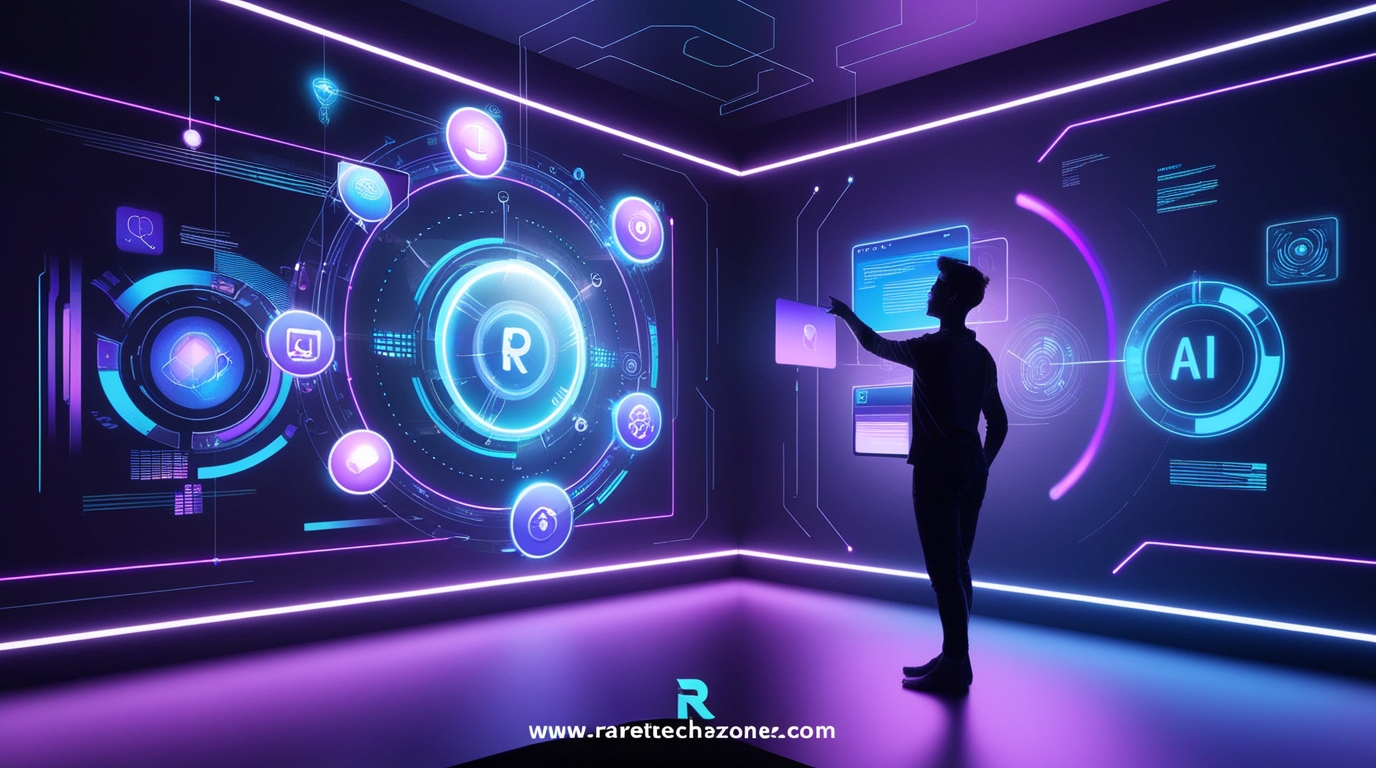
Technology doesn’t evolve quietly anymore it transforms loudly, visually, and emotionally. Every swipe, tap, and scroll we make today is shaped not just by code, but by design intelligence. In this rapidly changing digital era, a powerful concept is gaining momentum: How tech trends gfxprojectality is redefining the way innovation looks, feels, and functions.
At first glance, gfxprojectality may sound like another tech buzzword. But look deeper, and you’ll discover it represents a fundamental shift in how technology and creativity merge. It’s not just about better graphics. It’s about projected digital realities, immersive experiences, and visual systems that interact with humans in meaningful ways.
From startups to global enterprises, from gaming to healthcare, gfxprojectality is quietly becoming the backbone of modern digital innovation. And those who understand it early gain a powerful advantage.
In this in-depth guide, we’ll explore:
- What gfxprojectality really means
- Why it’s becoming a major tech trend
- How it’s reshaping industries, careers, and user expectations
- What the future holds for businesses and creators
If you care about digital growth, user experience, or innovation, this article is for you.
What Exactly Is GfxProjectality?
The term gfxprojectality is derived from two ideas:
- GFX (Graphics): Visual design, motion, interfaces, and aesthetics
- Projectality: The projection of digital experiences into real or perceived reality
Together, gfxprojectality represents the fusion of visual design with interactive digital systems to create experiences that feel alive, intuitive, and human-centric.
Unlike traditional graphic design—which focuses mainly on appearance gfxprojectality blends:
- Design
- Technology
- User behavior
- Real-time interaction
Think of:
- A website that adapts visually to your behavior
- An app that guides you without instructions
- A virtual environment that feels emotionally engaging
That’s gfxprojectality in action.
Why GfxProjectality Is Emerging as a Major Tech Trend
Every decade has defining digital shifts:
- 2000s → Websites & UI design
- 2010s → Mobile apps & social platforms
- 2020s → AI, AR, immersive experiences
Now, how tech trends gfxprojectality fits perfectly into this evolution.
1. Visual Experience Is the New Competitive Advantage
Users decide within 3 seconds whether to trust a digital product. Visual clarity and interaction now matter more than features.
2. Design and Technology Are No Longer Separate
In the past, design followed development. Today, they evolve together. Gfxprojectality reflects this co-creation model.
3. Immersive Expectations Are Rising
Thanks to gaming, AR filters, and VR, users now expect interactive digital realities, not static screens.
4. Attention Is the New Currency
Gfxprojectality helps brands capture and keep attention through motion, storytelling, and responsive visuals.
How Tech Trends GfxProjectality Is Shaping Digital Innovation
Let’s break down exactly how tech trends gfxprojectality drives innovation across digital platforms.
1. Immersive User Experiences
Modern interfaces are no longer flat. Gfxprojectality enables:
- Motion-based navigation
- Interactive layouts
- Micro-animations that guide behavior
Users don’t “learn” the interface they feel it.
2. Bridging Physical and Digital Reality
From AR shopping to virtual offices, gfxprojectality blurs the line between:
- Real world
- Digital space
This makes technology feel natural, not artificial.
3. Higher Engagement and Retention
Interactive visuals increase:
- Session time
- Conversion rates
- Emotional connection
People stay longer when experiences respond to them.
4. Simplifying Complex Systems
Dashboards, analytics, and data-heavy platforms become intuitive through:
- Visual storytelling
- Smart animations
- Adaptive layouts
Innovation isn’t about adding complexity it’s about removing friction.
The Role of Creativity in Modern Tech Trends
One of the biggest myths is that technology is purely logical. In reality, creativity is the soul of innovation.
Gfxprojectality ensures creativity is embedded at every level:
- UX design
- Product architecture
- Data visualization
- Brand identity
Creativity Makes Technology Human
A healthcare app feels safer with calming visuals. A finance app feels trustworthy with clarity and structure. A learning platform feels exciting with motion and interaction.
Without creativity, technology feels cold. With gfxprojectality, it feels alive.
Real-World Applications of GfxProjectality
E-Commerce
- 3D product previews
- Virtual try-ons
- Interactive catalogs
Customers experience products before buying.
Gaming
- Real-time environments
- Emotion-driven visuals
- Player-responsive worlds
Graphics now drive gameplay, not just decorate it.
Education
- Interactive lessons
- Visual simulations
- Adaptive learning interfaces
Students learn faster when they interact visually.
Healthcare
- Surgery simulations
- Patient education apps
- Trust-building UI
Clear visuals reduce fear and confusion.
How Tech Trends GfxProjectality Empowers Startups
Startups don’t win with size they win with experience.
Gfxprojectality allows startups to:
- Stand out instantly
- Build emotional branding
- Compete with larger companies
A small app with brilliant interactive design can outperform a feature-heavy but visually weak competitor.
For startups, gfxprojectality is not an expense it’s a growth strategy.
The Evolution of Digital Storytelling
Humans are wired for stories. Gfxprojectality transforms storytelling from passive to participatory.
Modern Digital Stories Are:
- Interactive
- Visual
- Emotional
- Personalized
Users don’t just consume content they explore it.
From branded websites to immersive campaigns, gfxprojectality is redefining how stories are told online.
Challenges and Limitations of GfxProjectality
No trend is perfect. Gfxprojectality comes with challenges:
1. Skill Gap
Requires expertise in:
- Design
- Development
- Psychology
2. Cost Considerations
High-quality immersive visuals can be expensive.
3. Risk of Overdesign
Too many effects can overwhelm users.
4. Performance Optimization
Heavy graphics must be balanced with speed.
Smart implementation is the key.
Why Businesses Must Embrace GfxProjectality Now
Ignoring visual innovation is no longer an option.
Businesses that adopt gfxprojectality benefit from:
- Higher conversion rates
- Stronger brand identity
- Better customer loyalty
- Competitive differentiation
In today’s market, experience is the product.
How Tech Trends GfxProjectality Is Shaping Future Careers
New technology creates new jobs. Gfxprojectality is driving demand for roles like:
- Immersive Experience Designer
- Motion UI Specialist
- Visual Product Strategist
- AI-Integrated Graphic Developer
Professionals who master these skills will dominate the next digital decade.
Global Impact of GfxProjectality
This trend is shaping innovation worldwide:
- Asia: AR-powered shopping
- Europe: 3D architectural visualization
- USA: Healthcare & fintech interfaces
Gfxprojectality is becoming a universal digital language.
How Tech Trends GfxProjectality Humanizes Technology
At its core, gfxprojectality does something powerful: 👉 It makes technology feel human.
Complex algorithms become understandable. Cold systems become emotional. Digital spaces become welcoming.
This human-centric approach is why the trend is growing so fast.
The Future of GfxProjectality
Looking ahead, expect:
- AI-driven adaptive visuals
- Hyper-personalized interfaces
- Seamless AR/VR experiences
- Design-first digital strategies
Gfxprojectality will move from trend to standard.
Conclusion: Why GfxProjectality Truly Matters
Innovation isn’t about chasing trends it’s about embracing what genuinely improves human experience.
How tech trends gfxprojectality represents a future where:
- Technology feels intuitive
- Design drives trust
- Digital experiences feel alive
For businesses, creators, and users alike, gfxprojectality is not optional it’s essential.
Those who understand it today will shape the digital world of tomorrow.
Frequently Asked Questions
What is gfxprojectality in simple terms?
Gfxprojectality is the integration of graphics, interaction, and digital technology to create immersive, human-centered experiences.
Why is gfxprojectality important for digital innovation?
It improves usability, engagement, and emotional connection, making digital products more effective and competitive.
Is gfxprojectality only for designers?
No. It’s relevant for developers, marketers, startups, educators, and business leaders.
How does gfxprojectality affect SEO and conversions?
Better visuals improve user engagement, reduce bounce rates, and increase conversions indirectly boosting SEO.
Will gfxprojectality replace traditional design?
Not replace but evolve it into a more interactive, data-driven, and immersive discipline.
